
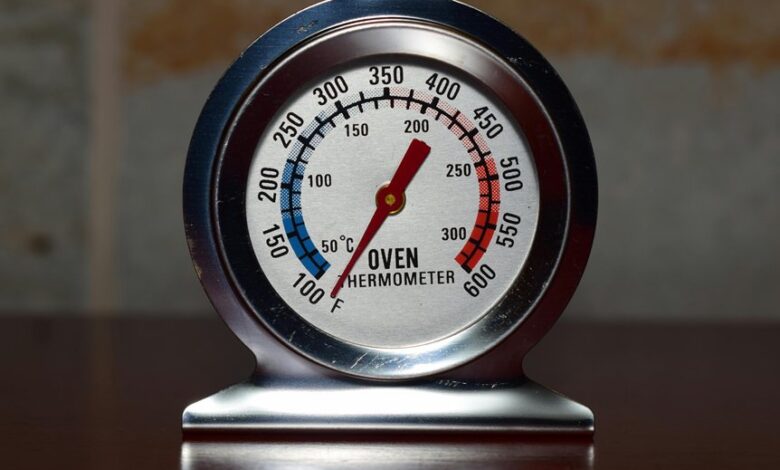
Oven temperature control frames bake outcomes through measurable accuracy and consistent heat delivery. Calibration drift and subtle bias can alter crust formation, crumb structure, and flavor if unaddressed. Objective measurements, neutral ambient logging, and side-by-side dial versus actual readings reveal performance gaps. The approach aims for reproducible results across recipes and appliances. The implications for precision cooking invite a careful, incremental examination of methods and metrics that may redefine standard practice.
Why Oven Temperature Calibration Matters for Baking
Oven temperature calibration matters for baking because oven miscalibration can lead to consistent deviations from target temperatures, altering bake times, crust development, and interior texture. The discussion emphasizes measurable effects, not opinion.
Precision bias and calibration drift are central notions, framing how small errors propagate through recipes. This analysis remains objective, enabling predictable outcomes and tighter control within culinary practice.
How to Test Your Oven Accuracy at Home
To assess oven accuracy at home, start with a structured setup that mirrors calibration testing.
A neutral observer records ambient room conditions, then places a calibrated thermometer inside the oven cavity.
Preheat to a targeted setpoint, log temperature after stabilization, and compare with the dial.
Document oven calibration findings and perform home thermometer testing to verify true heat delivery.
Mastering Temperature Tweaks for Crust, Crumb, and Flavor
Effective temperature management is essential for dialing in crust, crumb, and flavor, as precise heat control directly influences moisture loss, Maillard reactions, and gas cell structure.
The discussion outlines deliberate temperature tweaks to optimize crust texture and flavor development, highlighting controlled preheat, calibrated bake temps, and selective warming holds.
Results center on reproducible crust texture improvements and balanced flavor development outcomes.
Troubleshooting Common Oven Temp Issues Across Recipes
When precision in temperature management encounters real-world variation, cooks must identify and address common oven‑temp issues that affect multiple recipes.
Troubleshooting focuses on how to fix oven heat with calibrated adjustments, detecting oven drift, and applying sensor driven adjustments.
Systematic checks include door seal, rack placement, and preheat consistency; outcomes guide reproducible results and safe, reliable cooking across diverse dishes.
Conclusion
Conclusion: Precision, precisely pursued, propels pastry performance. Calibrated counters contextualize crust and crumb, confirming consistent character across cronologies of cookery. By benchmarking burrs of bias and drift, bakers banish billowy blurs, building baseline bake times and balanced flavors. Through thorough testing, thermometer truth-telling, and disciplined documentation, dependable desserts develop. In short, steadfast sensor scrutiny stabilizes science-based sips of sweetness, sustaining sumptuous sustenance.


