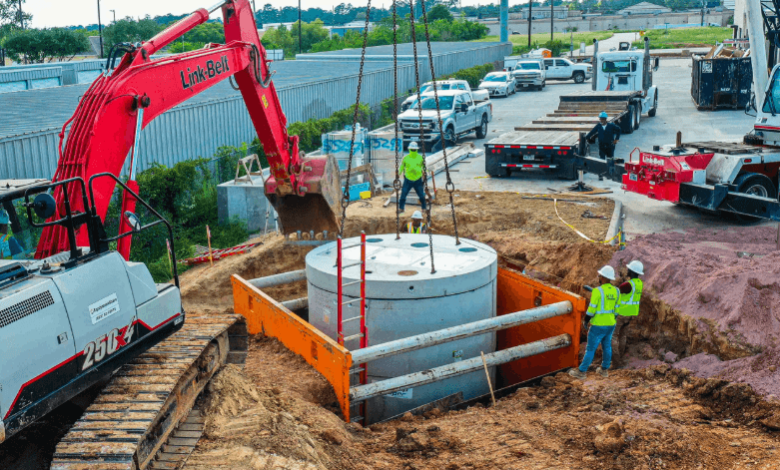
Efficient wastewater management is the backbone of every modern city. From residential communities to commercial complexes and industrial facilities, an effective sewer network ensures that wastewater is transported safely to treatment plants without posing risks to public health or the environment. However, gravity alone cannot always move wastewater through an entire sewer system, especially in low-lying areas or locations with uneven terrain. This is where a sewer lift pump station becomes an indispensable part of wastewater infrastructure.
Designed to transport sewage from lower elevations to higher points, sewer lift pump stations help maintain uninterrupted flow across sewer networks. Their role extends beyond simply pumping wastewater—they improve operational efficiency, support urban expansion, reduce environmental risks, and ensure reliable wastewater management for growing populations. As cities continue to expand and infrastructure becomes more complex, these systems have become a critical investment for municipalities, developers, and industries alike.
Understanding the Role of a Sewer Lift Pump Station
A sewer lift pump station is an engineered facility that collects wastewater from underground sewer lines and pumps it to a higher elevation where gravity can once again carry it toward a treatment plant. It typically consists of pumps, a wet well, valves, pipelines, electrical controls, sensors, and monitoring systems that work together to maintain a continuous wastewater flow.
When sewage enters the wet well, it is temporarily stored until it reaches a predetermined level. Sensors then activate the pumps, which transfer the wastewater through pressurized pipelines to the next stage of the sewer network. This process prevents sewage from accumulating in low-lying areas and keeps the entire system operating efficiently.
Why Sewer Lift Pump Stations Are Essential
Wastewater management systems must function continuously regardless of weather conditions, terrain, or population growth. Sewer lift pump stations play a central role in ensuring this reliability.
Their importance can be understood through several key benefits:
- They enable wastewater transportation where gravity is insufficient.
- They reduce the risk of sewage backups and flooding.
- They improve the efficiency of municipal sewer networks.
- They support expanding residential and commercial developments.
- They help protect public health and the surrounding environment.
Supporting Growing Cities and Infrastructure
Urban development continues to reshape cities around the world. As new housing communities, industrial zones, hospitals, hotels, and commercial buildings are constructed, wastewater infrastructure must expand accordingly. Not every development is located on terrain that naturally supports gravity-based drainage. In many cases, wastewater must be lifted before it can continue flowing through the sewer network.
A sewer lift pump station makes these developments possible by overcoming geographical limitations. It allows engineers to design efficient sewer systems even in challenging landscapes, ensuring that infrastructure keeps pace with urban growth.
Preventing Sewage Overflows and Environmental Damage
One of the primary objectives of wastewater management is preventing untreated sewage from entering the environment. When wastewater cannot flow efficiently, sewer lines may overflow, causing contamination of nearby land, rivers, groundwater, and public spaces. Such incidents can create serious environmental concerns while also increasing health risks for surrounding communities.
Lift pump stations help prevent these situations by maintaining consistent wastewater movement. Their automated operation reduces the likelihood of overflow and ensures sewage reaches treatment facilities safely. Protecting natural resources through reliable wastewater transportation also supports long-term environmental sustainability.
See also: Business Engine 5n1at3bbxmc68732 Strategy
Improving System Efficiency Through Automation
Modern wastewater systems increasingly rely on automation to improve performance and reduce operating costs. Today’s sewer lift pump stations are equipped with advanced monitoring technologies that continuously measure water levels, pump activity, energy consumption, and equipment performance.
These intelligent systems automatically activate pumps only when required, reducing unnecessary energy usage while maintaining efficient operation. Remote monitoring capabilities also enable maintenance teams to identify potential issues before they become major failures, improving reliability and minimizing service interruptions.
The Importance of Preventive Maintenance
Like any critical infrastructure, lift pump stations require regular maintenance to deliver consistent performance. Ignoring routine inspections can result in pump failures, clogged pipelines, equipment corrosion, and unexpected downtime. Preventive maintenance reduces these risks while extending the lifespan of system components.
Routine maintenance activities generally include:
- Cleaning wet wells
- Inspecting pumps and motors
- Testing alarms and control panels
- Examining electrical systems
- Checking valves and pipelines
- Removing debris and blockages
Choosing the Right Sewer Lift Pump Station
Every wastewater project has unique operational requirements. Selecting the appropriate lift pump station depends on several important factors, including wastewater volume, pumping distance, elevation changes, future expansion, and environmental conditions. Proper engineering design ensures pumps operate efficiently without excessive energy consumption or unnecessary wear.
Working with experienced wastewater specialists during planning, installation, and maintenance helps maximize long-term performance while ensuring compliance with applicable engineering standards. Investing in the right equipment at the beginning often results in lower maintenance costs and greater system reliability over time.
Wastewater Management in Dubai’s Growing Infrastructure
Dubai’s rapid urban expansion has significantly increased the demand for advanced wastewater management solutions capable of supporting large-scale residential, commercial, and industrial developments.
An efficient sewage pumping station in Dubai plays a crucial role in ensuring wastewater is transported reliably across areas where gravity alone cannot maintain continuous flow. These pumping stations support modern infrastructure by reducing operational disruptions, improving environmental protection, and helping municipalities manage increasing wastewater volumes as the city continues to grow.
Conclusion
Reliable wastewater management depends on infrastructure that can operate efficiently under diverse geographical and operational conditions. A well-designed sewer lift pump station ensures uninterrupted sewage transportation, minimizes environmental risks, supports expanding urban communities, and enhances the overall efficiency of wastewater networks. Combined with modern automation and proactive maintenance, these systems contribute to sustainable infrastructure capable of meeting future demands.
As cities continue to grow, investing in dependable wastewater solutions, including a modern sewage pumping station in Dubai, becomes increasingly important for maintaining public health, protecting the environment, and ensuring long-term operational reliability.
Businesses and property managers seeking trusted wastewater solutions can rely on JB ALLO Sewage for comprehensive support. They provide tailored sewage cleaning and maintenance services designed to prevent system failures while addressing operational issues efficiently. Their approach combines proactive maintenance with responsive intervention, allowing clients to maintain reliable sewage systems through transparent communication, dependable service, and practical solutions that support the long-term performance of wastewater infrastructure.