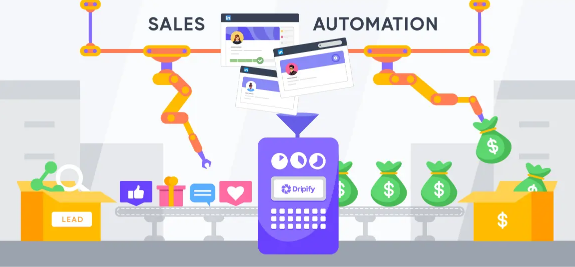
In today’s fast-paced business environment, generating leads and converting them into customers is more competitive than ever. Traditional sales processes, which rely heavily on manual follow-ups, spreadsheets, and inconsistent outreach, often fail to maximize revenue potential. This is where sales automation software comes in—AI-powered tools that streamline sales tasks, improve efficiency, and help businesses convert leads 24/7.
In this article, we’ll explain what sales automation software is, how it works, and the strategies businesses can use to leverage AI tools to boost sales performance.
What is Sales Automation Software?
Sales automation software refers to a suite of AI-powered tools designed to automate repetitive tasks in the sales process. These tasks include lead generation, lead scoring, email outreach, follow-ups, scheduling meetings, and tracking performance. Unlike traditional CRM systems that primarily store client data, sales automation software actively engages with prospects, prioritizes high-value leads, and executes personalized outreach campaigns automatically.
By automating these routine tasks, sales teams can focus on strategic activities like closing deals, building relationships, and identifying new market opportunities.
The Challenges of Manual Sales Processes
Manual sales processes come with several limitations:
- Time-Consuming Tasks: Sales reps often spend hours manually researching leads, sending emails, and following up.
- Inconsistent Outreach: Without automation, follow-ups can be delayed or missed, resulting in lost opportunities.
- Generic Messaging: Mass outreach without personalization reduces engagement and response rates.
- Limited Insights: Without AI analytics, it’s difficult to measure performance or optimize strategies.
These challenges hinder productivity, slow down the sales cycle, and ultimately limit revenue growth. Sales automation software addresses these issues by automating routine tasks, ensuring consistent engagement, and providing data-driven insights.
How Sales Automation Software Works
AI-powered sales automation software works by integrating multiple sales functions into a single platform. Here’s a breakdown of its key capabilities:
1. Lead Capture and Management
Sales automation software can automatically capture leads from various sources, including website forms, social media, email campaigns, and third-party databases. Once captured, leads are organized in the system and scored based on engagement, behavior, and fit with your target audience.
This ensures that your sales team focuses on high-potential leads, rather than wasting time on unqualified prospects.
See also: verify technical assistance calls
2. Personalized Outreach
AI tools enable personalized outreach at scale. Using data on leads’ preferences, behavior, and demographics, the software can create tailored email sequences, follow-up messages, and even social media interactions.
Personalized communication increases engagement, strengthens trust, and improves the likelihood of converting leads into customers.
3. Automated Follow-Ups
Follow-up is critical for converting leads but is often overlooked due to time constraints. Sales automation software ensures timely follow-ups by sending automated emails, reminders, or notifications based on the lead’s activity.
For example, if a prospect opens an email but doesn’t respond, the system can automatically trigger a follow-up message, keeping your company top-of-mind and nurturing the lead toward conversion.
4. Lead Scoring and Prioritization
Not all leads are equally valuable. Sales automation software uses AI to assign scores to leads based on engagement, behavior, and other key metrics. High-priority leads are flagged for immediate attention, allowing sales reps to focus on prospects most likely to convert.
Lead scoring reduces wasted effort, shortens the sales cycle, and increases overall revenue.
5. Analytics and Reporting
One of the most valuable features of sales automation software is analytics. The system tracks metrics such as open rates, click-through rates, response rates, and conversion rates, providing actionable insights into what works and what doesn’t.
Sales managers can use these insights to optimize campaigns, refine messaging, and improve overall sales performance, creating a data-driven approach to revenue growth.
Benefits of Using Sales Automation Software
Implementing AI-powered sales automation software offers several key benefits:
- 24/7 Lead Engagement: The software can interact with leads at any time, ensuring that no opportunity is missed, even outside business hours.
- Higher Conversion Rates: Personalized and timely communication improves lead-to-customer conversion rates.
- Increased Efficiency: Automation reduces repetitive tasks, freeing sales reps to focus on closing deals and building relationships.
- Scalability: AI tools can handle large volumes of leads, enabling businesses to grow without significantly increasing headcount.
- Data-Driven Insights: Analytics provide visibility into sales performance and guide strategic decision-making.
By leveraging these benefits, businesses can streamline their sales processes, increase revenue, and achieve sustainable growth.
Strategies to Maximize Sales Automation Software
To fully capitalize on the potential of sales automation software, businesses should implement strategic approaches:
1. Segment Your Leads
Divide leads into categories based on criteria such as industry, location, engagement level, or company size. Segmentation allows you to send targeted and relevant messages to each group, improving engagement and conversion rates.
2. Automate Repetitive Tasks
Use the software to automate tasks like sending introductory emails, follow-ups, reminders, and scheduling meetings. Automation ensures consistency, saves time, and reduces the risk of human error.
3. Personalize Communication
Leverage AI to create personalized content for each lead. Tailored messaging resonates more effectively with prospects, enhancing engagement and increasing the likelihood of conversion.
4. Integrate with CRM and Marketing Tools
Integrating sales automation software with your CRM and marketing tools centralizes data, enabling seamless workflows. This ensures that all leads, interactions, and conversions are tracked in one place.
5. Monitor Performance and Optimize
Regularly review analytics provided by the software to identify successful strategies and areas for improvement. Use data-driven insights to optimize campaigns, refine messaging, and enhance lead engagement.
Real-World Applications
Many businesses have successfully implemented sales automation software to boost lead conversion and revenue.
- A SaaS company in California used sales automation software to automate lead follow-ups and email sequences. Within six months, their response rate increased by 45%, and closed deals grew by 30%.
- An e-commerce business leveraged AI tools to segment leads and personalize messaging, resulting in a 25% increase in repeat customer conversions.
These examples demonstrate the practical impact of sales automation software in various industries.
Conclusion: Convert Leads 24/7 with AI
In today’s competitive market, businesses cannot afford to rely solely on manual sales processes. Sales automation software provides AI-powered tools that capture leads, personalize communication, automate follow-ups, and provide actionable insights, enabling sales teams to convert leads 24/7.
By implementing sales automation software strategically, businesses can streamline workflows, increase efficiency, improve conversion rates, and scale operations without increasing headcount. For any company looking to maximize revenue and stay ahead of the competition, adopting AI-driven sales automation is no longer optional—it is essential.
Invest in sales automation software today and start converting leads into loyal customers around the clock.