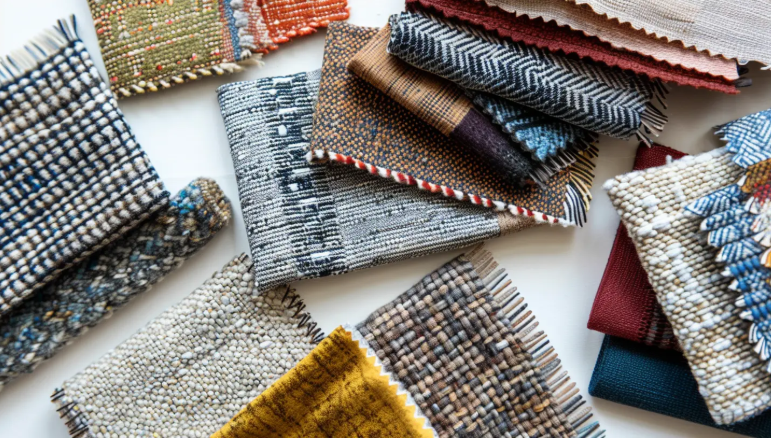
Walk into any beautifully designed space today, and you will notice something interesting. The elements that shape the mood, guide movement, and tell the story are not always made of steel, stone, or glass. More often, designers are turning to the quiet power of soft materials. Textiles are becoming the tools that bring flexibility, warmth, creativity, and sustainability into modern environments.
Far from being simple decorative accents, textiles are driving the next wave of innovation in interiors, retail, events, architecture, and branded experiences. They offer freedom. They offer texture. They offer a possibility. And that is why they are becoming central to the way tomorrow’s spaces are imagined.
Textiles Bring Personality to Minimalist Spaces
Contemporary design often leans toward clean lines and pared-back forms. While this creates harmony, it can also leave spaces feeling too clinical. Textiles are the bridge between modern minimalism and human comfort. They soften edges, introduce movement, and allow designers to add personality without cluttering a space.
A single textile feature can shift an entire room from cold to inviting. Fabric art, tension frames, architectural drapes, and printed surfaces help environments feel more balanced and expressive.
See also: Energy-Efficient HVAC Solutions for Homeowners
Designers Want Surfaces That Tell Stories
Storytelling is now essential in retail, hospitality, exhibitions, and workplace design. Textiles offer an effortless way to bring narratives to life. They can be stretched, layered, illuminated, dyed, or printed with high-resolution imagery, allowing brands to refresh visuals quickly and sustainably.
Modern textile technology even enables enormous prints that stay sharp, vibrant, and consistent. Many brands choose materials they can print on because it lets them change the atmosphere of a space as often as needed, without rebuilding or replacing hard structures.
Lightweight Design Means More Creative Freedom
Traditional building materials come with weight, cost, and installation challenges. Textiles give designers the ability to divide spaces, shape environments, and create architectural forms without those limitations.
Fabric ceilings can soften acoustics. Tension walls can provide flexible zoning. Large printed textiles can fill vast areas without adding structural load. The result is creative freedom that does not rely on heavy construction.
Sustainability Is Driving Material Innovation
As industries look for environmentally conscious solutions, textiles offer a compelling path forward. Many modern textiles are recyclable, responsibly sourced, or engineered for long life cycles. Because they are lightweight, they also reduce transport emissions and simplify installation.
Designers are increasingly choosing textiles that align with the sustainability expectations of clients and users. This shift is influencing everything from pop-up retail design to large-scale exhibitions and public sector architecture.
Soft Materials Adapt as Quickly as Trends Do
Spaces today must work harder than ever. Retail displays must shift with the seasons. Event environments must change overnight. Workplaces must support hybrid needs. Textiles are uniquely suited to environments that evolve constantly.
They can be replaced, repositioned, or updated without major refurbishment. They allow design to stay fresh and relevant, keeping pace with cultural and creative trends.
Texture Is Becoming a Key Visual Language
Beyond color and shape, texture is emerging as one of the most expressive tools in design. Textiles offer infinite possibilities in how light interacts with a surface. Matte, glossy, woven, or perforated finishes create visual depth that cannot be achieved with flat, rigid materials.
Texture invites viewers to experience a space rather than simply observe it. This sensory layer creates an emotional connection and makes the environment more memorable.
The Future Is Soft, Adaptable, and Imaginative
Textiles are no longer the supporting act. They are becoming the creative foundation of modern design. They bring flexibility to architecture, emotion to branding, and sustainability to visual communication. They allow designers to dream bigger while building lighter and smarter.
As technology evolves and printing capabilities expand, textiles will shape more of the environments we live, shop, work, and gather in. They encourage spaces that feel alive. They empower brands to be bold. They give designers the freedom to rethink what is possible.
Soft materials are having a big influence, and tomorrow’s designs are set to be more expressive, more adaptable, and more connected because of them.