Porcelain slabs are no longer a niche design material; they’ve become a defining feature in countless modern interiors. Global demand for porcelain tile and slabs is forecast to grow at about 5.7% per year through 2026, reaching 9.1 billion m² and a value of US$133 billion.
Known for their clean aesthetic, durability, and remarkable versatility, porcelain dominates the large-format ceramic panels segment with a 57.4% share of total type-based demand as of 2024. The large-format surfaces are inspiring homeowners, designers, and architects with new approaches to interior design.
The Appeal of Seamless Surfaces
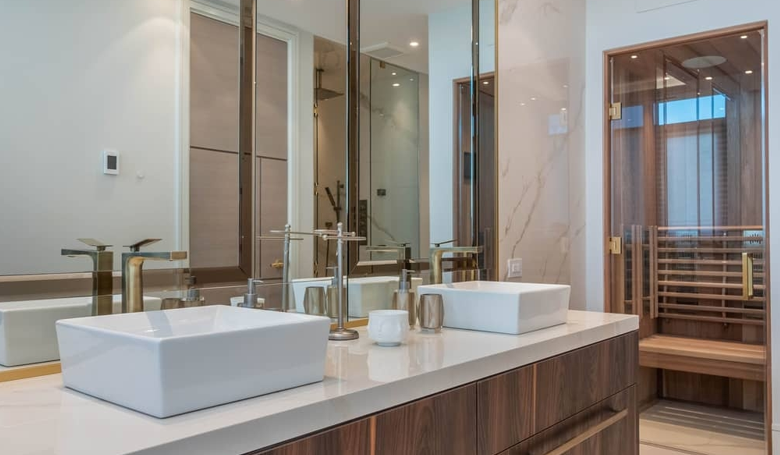
Traditional tile installations often require multiple grout lines that interrupt the visual flow of a surface. A porcelain slab, by contrast, can span entire countertops, shower walls, and flooring areas with minimal joints and an uninterrupted surface that creates a refined, high-end appearance that suits minimalist and luxury interiors.
Importantly, fewer grout lines also mean less maintenance, something both busy homeowners and commercial property managers greatly appreciate.
Design Flexibility Across Spaces
Porcelain slabs can be used in kitchens, bathrooms, feature walls, fireplaces, commercial projects, and even furniture pieces like dining tables or coffee tables. Fabricators now produce slabs that replicate the look of natural stone, marble, concrete, and wood, giving designers the freedom to achieve virtually any aesthetic without the upkeep associated with natural materials.
A Material That Elevates Modern Design
Porcelain’s rise in modern interiors also ties to broader design trends favouring minimalism and functionality. The clean lines and consistent finishes of porcelain slabs complement modern cabinetry, streamlined lighting, and open layouts. Whether matte or polished, marble-look or concrete-look, porcelain surfaces allow designers to maintain that visual continuity while emphasizing light, texture, and form.
Instead of treating materials as decoration, designers are using porcelain slabs as structural elements that define the space itself. A kitchen island wrapped entirely in a single porcelain surface reads as sculptural rather than functional. The material’s dimensional precision opens up a more architectural form of expression, one that combines artistic restraint with technical mastery.
See also: Legal Risks When Expanding Your Business Internationally
Strength Meets Practicality
Porcelain is engineered for performance. Made from refined clay and fired at extremely high temperatures, porcelain slabs are dense, nonporous, and highly resistant to stains, scratches, and moisture. This makes them suitable for high-traffic areas and surfaces that see daily wear. Its compatibility with underfloor heating systems and large-format installation also supports the growing demand for sleek, comfortable living spaces that prioritize both design and practicality.
Porcelain’s resistance to heat and UV light also makes it an ideal option for indoor-outdoor continuity, an increasingly popular design trend. Unlike natural stone, porcelain won’t fade or degrade when exposed to sunlight, making it perfect for outdoor kitchens or patios that seamlessly extend from interior living spaces.
Sustainability and Longevity
In a design world more conscious of environmental impact, porcelain slabs are being recognized for their sustainability benefits. Many porcelain manufacturers now use eco-friendly production processes, including recycling water, reusing heat energy, and minimizing waste. Porcelain’s longevity also contributes to sustainability: its durability reduces the need for replacement, helping lower the material’s lifetime environmental footprint.
Additionally, porcelain is an inert material, free from volatile organic compounds (VOCs), which supports healthier indoor air quality.
In Conclusion
Porcelain’s growing role in modern interiors isn’t a passing phase; it signals a deeper change in how we approach space. It represents the intersection of technology, design, and human experience, where craftsmanship meets innovation to create environments that feel intentional, enduring, and quietly remarkable.