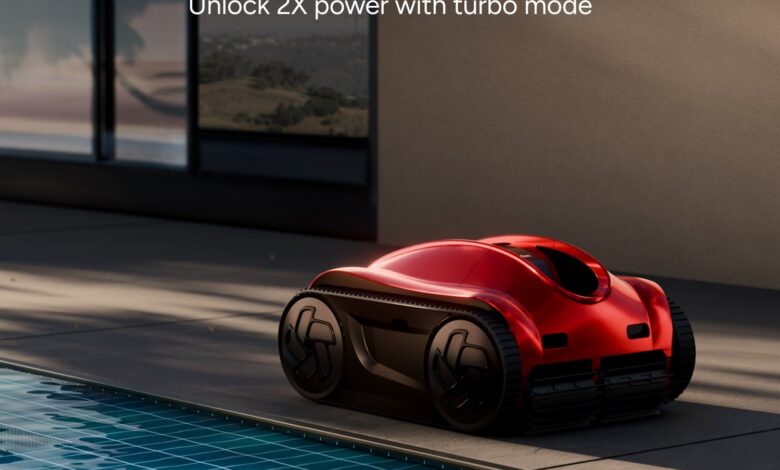
For most pool owners, maintaining crystal-clear water means hours spent skimming, vacuuming, and scrubbing—time that could be spent actually enjoying the pool. Traditional maintenance routines demand consistent effort, and even a few missed sessions can lead to algae buildup, cloudy water, and clogged filters. Enter the new generation of AI-powered pool cleaning robots, machines that are fundamentally reshaping how we think about pool care. These intelligent devices don’t just move randomly across your pool floor; they learn, adapt, and optimize every cleaning cycle for maximum coverage with minimal waste. Yet with dozens of models flooding the market, each promising smarter navigation and longer battery life, choosing the right one can feel overwhelming. How do you distinguish genuine AI capability from marketing hype? What runtime do you actually need for your specific pool? This guide is designed for tech-savvy pool owners who want clear, practical answers. We’ll break down the technologies that matter, explain why extended runtime changes the game, and walk you through a selection process that ensures your investment delivers truly hands-free, efficient pool maintenance for years to come.
The Rise of Smart Pool Maintenance: Understanding Pool Cleaning Robots
Pool cleaning robots have undergone a remarkable transformation over the past decade. Early models were little more than motorized vacuums that crawled along the pool floor in fixed patterns, often missing corners and leaving walls untouched. They required frequent manual repositioning and offered no intelligence whatsoever—just brute-force movement powered by suction from the pool’s filtration system. Today’s devices are self-contained units with onboard motors, independent filtration systems, and sophisticated navigation sensors that map your pool’s geometry in real time. The core components driving this evolution include high-torque DC motors for climbing walls and navigating uneven surfaces, multi-layer filtration cartridges capable of capturing particles as small as two microns, and gyroscope-assisted navigation that tracks the robot’s exact position within the pool. What truly separates modern cleaners from their predecessors, however, is the integration of artificial intelligence. AI-powered systems analyze cleaning data across multiple cycles, identifying high-debris zones, optimizing travel paths to eliminate redundant passes, and adjusting suction power based on surface type. This shift from reactive cleaning to predictive maintenance means your pool stays cleaner with less energy expenditure. Understanding these foundational technologies is essential because they directly determine how effectively a robot performs—and how wisely you spend your money when choosing one.
See also: Energy-Efficient HVAC Solutions for Homeowners
Why Long Runtime is Crucial for Automated Pool Care
In the context of robotic pool cleaners, “long runtime” typically refers to units that operate continuously for three hours or more on a single charge—enough time to thoroughly clean most residential pools without interruption. Why does this matter so much? Because a robot that runs out of power mid-cycle leaves portions of your pool untouched, forcing you to either manually reposition it or wait for a recharge before it can finish the job. That defeats the entire purpose of automation. The relationship between runtime and cleaning thoroughness is straightforward: larger pools and those surrounded by trees or heavy landscaping generate more debris, demanding longer operational windows. A 20-by-40-foot pool with moderate leaf fall might need a full 2.5 to 3 hours of continuous cleaning for complete floor, wall, and waterline coverage. Meanwhile, a compact plunge pool could be handled in under 90 minutes. Beyond pool dimensions, debris load plays a significant role—heavy contamination forces the robot to make additional passes and can clog filters faster, reducing suction efficiency and effectively shortening useful runtime even if the battery holds charge. Extended operation directly translates to reduced manual intervention. When your cleaner can handle the entire pool in one session, you’re freed from babysitting the device, resetting it after partial cycles, or scheduling multiple runs throughout the week. For pool owners who travel frequently or simply want genuinely hands-free maintenance, prioritizing runtime isn’t a luxury—it’s the single most important factor separating a convenient tool from a frustrating one.
Key Technologies Enabling Extended Battery Life
The leap in runtime performance over recent years stems from three converging technological advances. First, modern lithium-ion battery cells have become significantly more energy-dense, allowing manufacturers to pack more power into compact housings without adding prohibitive weight. Many current-generation cleaners use lithium iron phosphate (LiFePO4) chemistry, which offers superior cycle life—often exceeding 1,500 charge-discharge cycles before meaningful capacity degradation—compared to standard lithium-ion variants. Second, energy-efficient brushless DC motors and variable-speed pumps now draw far less power while delivering equivalent or greater suction force. These components adjust their draw dynamically: when the robot traverses a clean section of floor, the pump dials back; when sensors detect concentrated debris, power ramps up precisely where needed. This intelligent energy allocation can extend effective runtime by 20 to 30 percent compared to fixed-speed systems. Third, smart power management firmware orchestrates the entire system, balancing motor output, pump speed, and navigation computations to minimize wasted energy. Some models incorporate regenerative braking during wall descents, recapturing small amounts of energy that add up over a full cleaning cycle. When comparing models, look beyond the headline runtime figure. Evaluate battery capacity in watt-hours, check whether the manufacturer specifies runtime under load versus idle conditions, and confirm how many charge cycles the battery is rated for. A cleaner advertising 3.5 hours of runtime under ideal conditions may deliver only 2.5 hours in a debris-heavy pool with frequent wall climbing—understanding these nuances ensures you select a model whose real-world endurance matches your pool’s demands.
AI-Supported Cleaning: Advanced Features for Optimal Efficiency
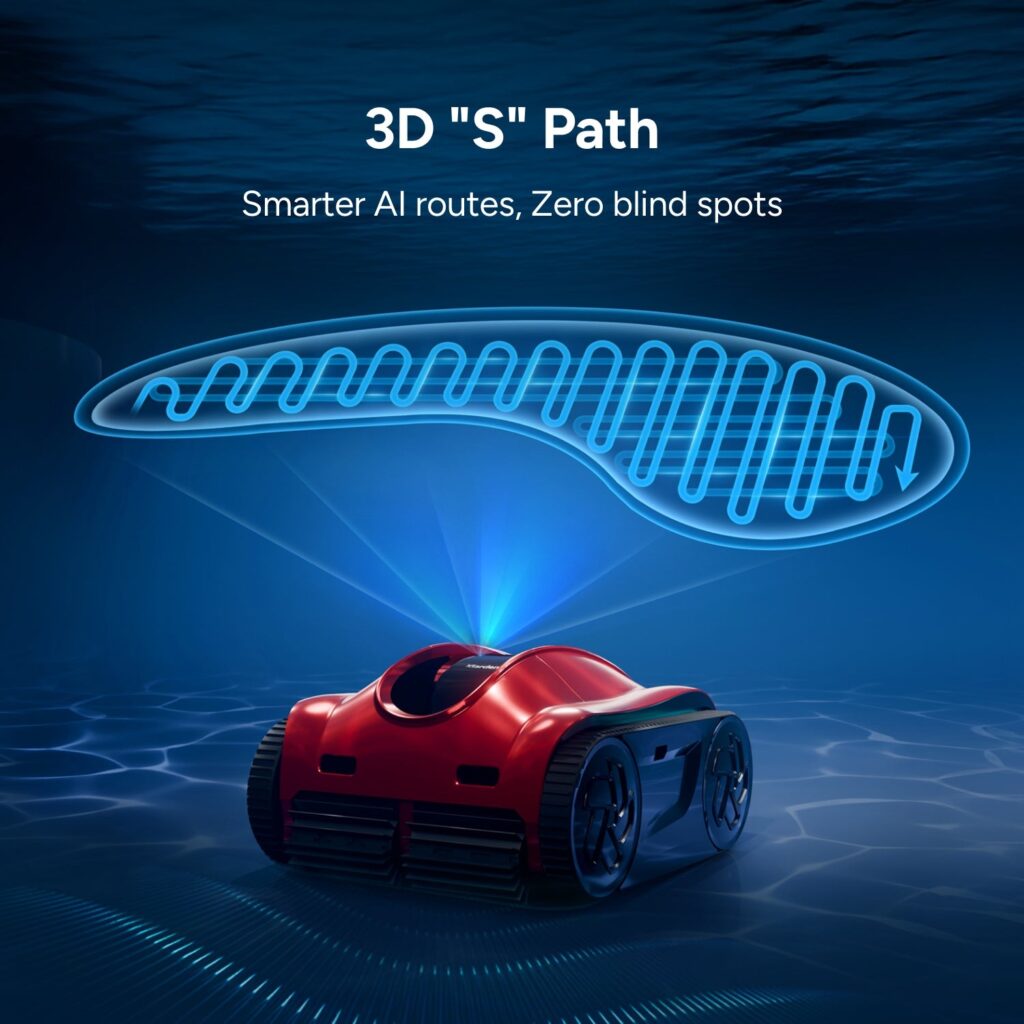
Artificial intelligence in pool cleaners goes far beyond a marketing label—it represents a fundamental shift in how these machines perceive and respond to their environment. At the core, AI-driven cleaners use a combination of LiDAR sensors, ultrasonic rangefinders, and onboard cameras to construct a three-dimensional map of your pool during their first few cycles. This map isn’t static; the system continuously refines it, learning where debris accumulates most heavily based on time of day, season, and weather patterns. Over successive runs, the algorithm builds a predictive model that prioritizes high-traffic zones—like areas beneath overhanging trees or near return jets where leaves tend to collect—while reducing unnecessary passes over consistently clean sections. Obstacle detection has matured considerably as well. Modern AI systems distinguish between a permanent feature like a pool ladder and a temporary obstruction like a floating toy, adjusting their path accordingly rather than simply bouncing off and reversing. Some models employ machine learning to recognize specific debris types, increasing suction intensity for heavy sediment while maintaining gentler operation over fine dust. Self-adjustment extends to waterline cleaning too, where sensors detect the scum line’s position and direct targeted brushing action precisely where biofilm accumulates. For tech-savvy owners, this means measurably better cleaning outcomes with each cycle—the robot literally gets smarter the more it operates, reducing energy waste and delivering increasingly thorough results without any manual programming or intervention on your part.
Integration with Smart Home Systems
For owners already invested in connected home ecosystems, today’s AI pool cleaners offer seamless integration that elevates convenience to another level. Dedicated mobile apps provide real-time dashboards showing cleaning progress overlaid on your pool’s map, current battery status, filter capacity remaining, and historical performance data across weeks or months. You can initiate cleaning sessions remotely, adjust schedules based on upcoming pool parties or storms, and receive push notifications when the cycle completes or when maintenance is needed. Many premium models connect with voice assistants and home automation platforms, allowing you to trigger cleaning through simple commands or incorporate pool maintenance into broader routines—for example, automatically starting a cleaning cycle every evening after the pool cover retracts. Smart home platforms like iGarden enable users to manage their pool cleaning robots alongside other outdoor automation devices, creating unified routines that streamline backyard maintenance. The data analytics component is particularly valuable for optimization-minded users. Apps track metrics like total area cleaned per session, debris volume trends, energy consumption patterns, and battery health over time. Some platforms even provide recommendations—suggesting an extra midweek cycle when pollen counts spike or alerting you to schedule filter replacement before performance degrades. Personalized cleaning modes let you define intensity levels for quick surface skims versus deep scrubbing sessions, and geofencing features can pause operation when swimmers enter the pool area. This level of programmability and insight transforms pool maintenance from a chore into a data-informed system you manage effortlessly from your phone.
Ensuring Pool Surface Safety and Comprehensive Cleaning
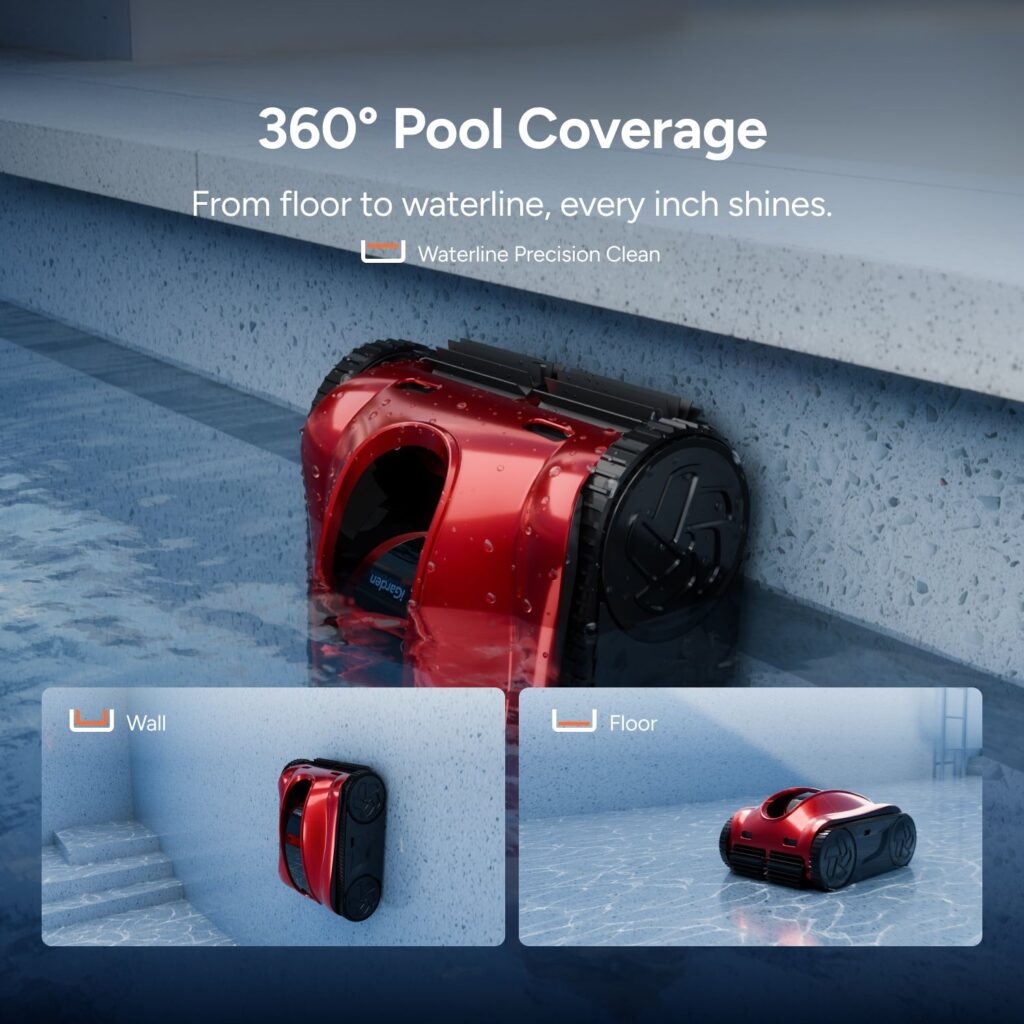
A powerful cleaning robot means nothing if it damages your pool’s finish in the process. Pool surfaces vary dramatically—from delicate vinyl liners and painted concrete to pebble aggregate and glass tile—and each material has different tolerances for abrasion, pressure, and chemical interaction. This is where AI-driven navigation proves its worth beyond mere efficiency. Intelligent cleaners continuously monitor their contact with surfaces, adjusting brush speed and roller pressure based on the resistance they encounter. When the robot transitions from a smooth fiberglass wall to a textured tile waterline, onboard sensors detect the change and modulate brushing intensity to prevent scratching or grout erosion. Advanced models use soft PVA foam rollers and silicone treads that grip without gouging, maintaining traction on vertical surfaces while leaving zero marks behind. Tangle-free designs ensure that the robot won’t snag on drain covers, ladder rungs, or embedded fixtures—a common frustration with older suction-side cleaners that could pull fittings loose or damage themselves in the process. AI path planning also contributes to surface protection by eliminating repetitive scrubbing over the same spot, which can wear down finishes over time. For pool owners who’ve invested in premium surfaces, these safety mechanisms aren’t optional features—they’re essential safeguards that protect both your pool’s aesthetic value and the longevity of the cleaning equipment itself, ensuring that automated care enhances rather than compromises your investment.
Step-by-Step Guide to Choosing Your Long-Runtime AI Pool Cleaner
Selecting the right AI pool cleaner starts with a clear-eyed assessment of your specific situation. Begin by measuring your pool’s dimensions and calculating total surface area, including walls and waterline. A standard rectangular pool is straightforward, but freeform designs with curves, benches, or tanning ledges demand robots with advanced mapping capabilities that can navigate complex geometries without getting stuck. Note your surface material—vinyl, fiberglass, plaster, or tile—since this determines which brush types and pressure levels are safe for your finish. Next, evaluate your typical debris load honestly. Pools shaded by mature trees or located in windy corridors accumulate far more organic matter than those in open, landscaped settings, and this directly dictates the runtime you’ll need.
With your pool profile established, define your must-have features. If your pool exceeds 1,500 square feet, prioritize models offering three-plus hours of continuous runtime with AI path optimization. For smaller pools, a shorter runtime paired with strong wall-climbing ability might serve you better. Cross-reference your requirements against available models by examining battery capacity in watt-hours, verified user reviews discussing real-world runtime versus manufacturer claims, and the sophistication of the navigation system. Budget realistically by factoring in long-term costs—replacement filters, battery degradation timelines, and warranty coverage matter as much as the purchase price. Before committing, check whether the manufacturer offers demo programs or generous return windows so you can test performance in your actual pool. Finally, build a decision checklist: confirmed runtime under load, surface compatibility, app functionality, smart home integration, warranty duration, and availability of local service support. Walking through these steps methodically prevents impulse purchases and ensures the model you choose genuinely matches your pool’s demands.
Top Recommendations and Comparison Table
When evaluating leading models, focus on a comparison framework built around three pillars: runtime endurance, AI sophistication, and surface versatility. Look for cleaners that offer verified runtimes of three hours or more under realistic conditions, not just manufacturer-stated maximums tested in empty pools. AI capability should include adaptive path planning that improves over multiple cycles, real-time obstacle classification, and predictive scheduling based on environmental data. Surface versatility means the robot handles floors, walls, and waterlines across different materials without requiring manual mode changes. Weigh the pros and cons of each contender—some models excel at deep scrubbing but sacrifice battery life for suction power, while others prioritize efficiency and quiet operation at the expense of heavy-debris handling. Units with robust app ecosystems and open integration with platforms like Google Home or Apple HomeKit offer added value for connected households. Read owner reviews specifically from users with pools similar to yours in size and debris conditions, as these provide the most relevant performance insights. A structured side-by-side comparison using these criteria eliminates guesswork and reveals which model delivers the best balance of AI-supported cleaning, extended runtime, and automated pool care tailored to your specific needs.
Investing in Smarter, Hands-Free Pool Maintenance
Choosing a long-runtime AI pool cleaner isn’t just about buying the most expensive model on the shelf—it’s about matching intelligent technology to your pool’s unique demands. The key takeaways are clear: runtime determines whether your robot can complete a full cleaning cycle without interruption, and AI capability dictates how efficiently it uses that runtime to deliver thorough, adaptive results that improve over time. Together, these two factors separate genuinely hands-free pool maintenance from devices that still require your oversight and intervention. By assessing your pool’s dimensions, surface type, and debris conditions before shopping, then cross-referencing those needs against verified performance data rather than marketing claims, you position yourself to make a purchase that pays dividends in saved time and consistently clean water for years ahead. The technology powering these machines will only grow more sophisticated—future models will likely incorporate predictive weather integration, self-emptying filtration, and even deeper learning algorithms that anticipate maintenance needs before problems arise. For now, the tools available already represent a transformative leap in automated home care. Use this guide as your framework, trust the data over the hype, and invest in a solution that truly lets you spend more time swimming and less time cleaning.