Boba tea is built on customization. Customers can choose the tea base, sweetness level, toppings, ice, milk type, and sometimes even the temperature. This flexibility is one reason the drink is so popular.
It also creates a responsibility for boba shop owners.
As more customers ask about sugar, calories, caffeine, and ingredients, shops need to communicate more clearly. One question comes up often: how much sugar is in boba?
For a boba business, this is not just a nutrition question. It affects menu design, staff training, product development, customer trust, and long-term brand positioning.
Why “How Much Sugar Is in Boba” Matters for Shop Owners
Customers today are more informed than before.
Many still want indulgent drinks, but they also want control. Some want 100% sugar because they enjoy a dessert-style drink. Others want 50%, 25%, or no added sugar. Some customers may be ordering for children. Others may be managing their daily sugar intake.
When a shop can answer how much sugar is in boba clearly, it builds trust.
A confused customer may hesitate to order. A confident customer is more likely to try new drinks, adjust sweetness, and return.
Clear sugar information also helps staff. During busy hours, employees do not have time to explain every ingredient in detail. A simple and consistent menu system makes service smoother.
Understanding the Main Sugar Sources
Before a shop can explain sugar levels to customers, it needs to understand where sugar comes from.
Sweetened Tea and Drink Bases
Some tea bases are brewed plain. Others may be sweetened before they are used in drinks.
If a shop uses pre-sweetened fruit tea, milk tea powder, flavored powder, or concentrate, the base itself may already contain sugar. This should be considered when designing sweetness options.
For example, a drink ordered at 50% sugar may still taste sweet if the base already includes sugar.
Syrups and Sauces
Syrups are a major part of many boba recipes.
Brown sugar syrup, honey syrup, fruit syrup, caramel sauce, and flavored sweeteners can add strong taste and visual appeal. They also add sugar quickly.
Brown sugar drinks are especially important to label clearly because customers often choose them for the rich syrup flavor.
Toppings
Toppings are one of the most overlooked sugar sources.
Tapioca pearls are usually cooked or stored in syrup. Pudding, jelly, red bean, and popping boba may also contain sugar. Even when a customer chooses 0% sugar in the drink, toppings can still add sweetness.
This is why shops should train staff to explain that “no added sugar” does not always mean sugar-free.
How Much Sugar Is in Boba at Different Sweetness Levels?
Sweetness levels are useful, but customers may not understand what they mean.
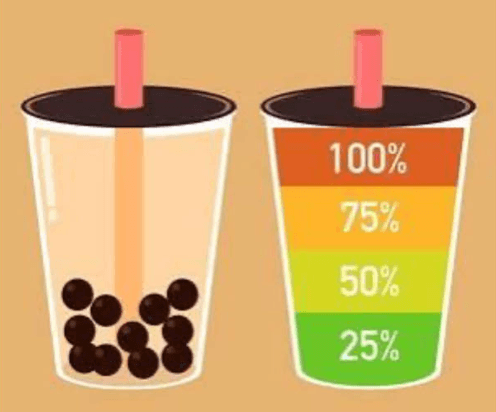
A 100% sugar drink is usually the standard recipe. A 75% drink reduces the added sweetener but may still taste quite sweet. A 50% drink is often a comfortable middle option. A 25% drink is lighter and better for customers who prefer tea flavor. A 0% drink removes added sugar from the drink preparation, but not necessarily from toppings or pre-sweetened bases.
A shop can make this easier by explaining sweetness levels on the menu or ordering screen.
For example:
- 100%: full sweetness
- 75%: slightly less sweet
- 50%: balanced and lighter
- 25%: tea-forward and mild
- 0%: no extra sweetener added
This type of explanation helps customers choose without asking too many questions.
Designing Lower-Sugar Boba Options
Offering lower-sugar drinks does not mean removing flavor.
A well-designed boba menu can include lighter choices that still taste satisfying. Tea-forward drinks, fresh fruit drinks with less syrup, unsweetened milk options, and lighter toppings can all help.
Possible lower-sugar menu ideas include:
- Jasmine green tea with 25% sugar
- Oolong milk tea with fresh milk
- Fresh lemon tea with reduced syrup
- Unsweetened tea with aloe
- Grass jelly milk tea with light sugar
- Fresh milk drinks without extra syrup
- Fruit tea with real fruit and less syrup
These drinks can appeal to customers who want boba more often but do not want every cup to feel like dessert.
Why Menu Labels Can Improve Sales
Sugar transparency is not only about health. It can also support sales.
When customers understand their options, they are more likely to order confidently. A person avoiding sugar may skip the menu if everything looks too sweet. But if lighter drinks are clearly labeled, that customer may feel welcome.
Menu labels can include:
- Less sweet
- No added sugar available
- Recommended at 50% sugar
- Contains sweetened toppings
- Tea-forward
- Dessert-style
- Lighter option
These labels help customers quickly understand what type of drink they are choosing.
For franchise operators, labels also help keep communication consistent across stores.
Staff Training Around Sugar Questions
Staff should know how to answer common sugar questions clearly.
If a customer asks how much sugar is in boba, staff should be able to explain that sugar comes from the drink base, sweetener, milk or creamer, and toppings. They should also know which drinks are naturally sweeter and which can be made lighter.
Training should cover:
- Which bases are pre-sweetened
- Which toppings contain syrup
- Which drinks can be made with 0% added sugar
- Which milk options are unsweetened
- Which drinks are best for customers wanting less sugar
- How to explain sweetness levels simply
Good staff knowledge can turn a basic ordering question into a better customer experience.
Product Development for Health-Conscious Customers
Boba shops do not need to abandon indulgent drinks. Brown sugar milk tea, taro drinks, and creamy dessert-style beverages will continue to have loyal fans.
The opportunity is to balance the menu.
A shop can keep signature sweet drinks while also adding lighter options. This makes the brand more flexible and helps serve different customer occasions.
For example, customers may choose a full-sugar brown sugar drink on the weekend but order a lighter oolong tea during the workday. A parent may buy a sweet drink for themselves but choose a lower-sugar fruit tea for a child.
More options can increase repeat visits because the shop fits more situations.
Connecting Sugar Awareness to Franchise Planning
For boba franchises, sugar transparency can become part of brand differentiation.
A franchise system can create standardized recipes, sugar-level guides, staff training materials, and menu labels. This helps customers receive a consistent experience across locations.
It also helps franchisees manage operations. When recipes are clear, ingredient usage is easier to control. When staff know how to explain sugar levels, service becomes smoother.
As customers continue to pay closer attention to what they drink, brands that communicate clearly may earn stronger trust.
See also: Revolutionizing Healthcare Education: The Future is Online
Conclusion
So, how much sugar is in boba? The answer depends on the recipe, drink size, sweetness level, toppings, and ingredients. Sugar may come from the tea base, syrup, milk, pearls, jelly, pudding, or fruit flavoring.
For customers, this knowledge supports smarter ordering. For boba shop owners, it creates an opportunity to build a more transparent and customer-friendly menu.
By offering clear sweetness levels, lower-sugar options, and better staff training, boba businesses can help customers enjoy their favorite drinks with more confidence.